The short answer
When the furnace is not working, check the thermostat mode, setpoint and batteries, the furnace power switch and breaker, the air filter, the fuel supply and the blinking status light. If heat does not come back after those checks, or you smell gas or hear a carbon monoxide alarm, stop and call for help.
When the house goes cold, check five things before you call: the thermostat (mode, setpoint and batteries), the furnace power switch and circuit breaker, the air filter, the fuel supply (gas valve, oil tank or propane gauge) and the blinking status light on the furnace. Those checks take about fifteen minutes and clear a fair share of no-heat calls. If none of them brings heat back, or you smell gas or hear a carbon monoxide alarm, stop there and get help.
Around Mount Joy, a 1920s brick house on Main Street and a 2005 townhome in Florin Hill can go cold for completely different reasons. Work through the list in order and skip any step that does not match your equipment.
Start at the Thermostat
The first cold week of the season brings plenty of calls where the furnace is fine and the thermostat is the problem. It sat untouched all summer, it may have been left on Cool, and its batteries have been draining since April.
- Mode: set it to Heat, not Cool, Off or Auto.
- Setpoint: raise it at least three degrees above the room temperature so the call for heat is obvious.
- Batteries: a blank screen, a dim screen or a low-battery icon means fresh batteries before anything else.
- Schedule: a programmable thermostat may be holding an away or vacation setting. Cancel the hold and try again.
- Fan setting: if the fan is on On instead of Auto, the blower runs nonstop and pushes room-temperature air between heating cycles, which feels like the furnace is blowing cold air.
Make Sure the Furnace Has Power
A gas or oil furnace still needs household electricity for its inducer motor, igniter, blower and control board. Near most furnaces there is a service switch that looks like an ordinary light switch, often mounted on a ceiling joist or at the bottom of the basement stairs.
Next, check the breaker panel for a tripped breaker labeled furnace, burner or air handler. Reset it once. If it trips again, leave it off: a breaker that keeps tripping points to a shorted motor or wiring fault that needs a technician. Also make sure the furnace's lower door is pushed fully into place after a filter change, since a safety switch behind it keeps the burner from starting when the door is loose.
Look at the Air Filter
A clogged filter starves the furnace of air. The heat exchanger overheats, the high-limit switch shuts the burner off, and the furnace runs in short bursts or quits while the blower keeps going. Many builder-grade furnaces in Florin Hill take a one-inch filter that loads up quickly.
Swap in a clean filter with the airflow arrow pointing toward the furnace, then give the system a few minutes. If it still cycles on and off every few minutes, our guide to why a furnace keeps turning on and off covers the next likely causes.
Confirm the Fuel Supply
Natural gas from UGI
If your gas stove lights or the gas water heater still makes hot water, gas is reaching the house. At the furnace, the gas valve on the supply pipe should have its handle running parallel with the pipe, which means open. Do not touch anything inside the furnace cabinet.
Heating oil
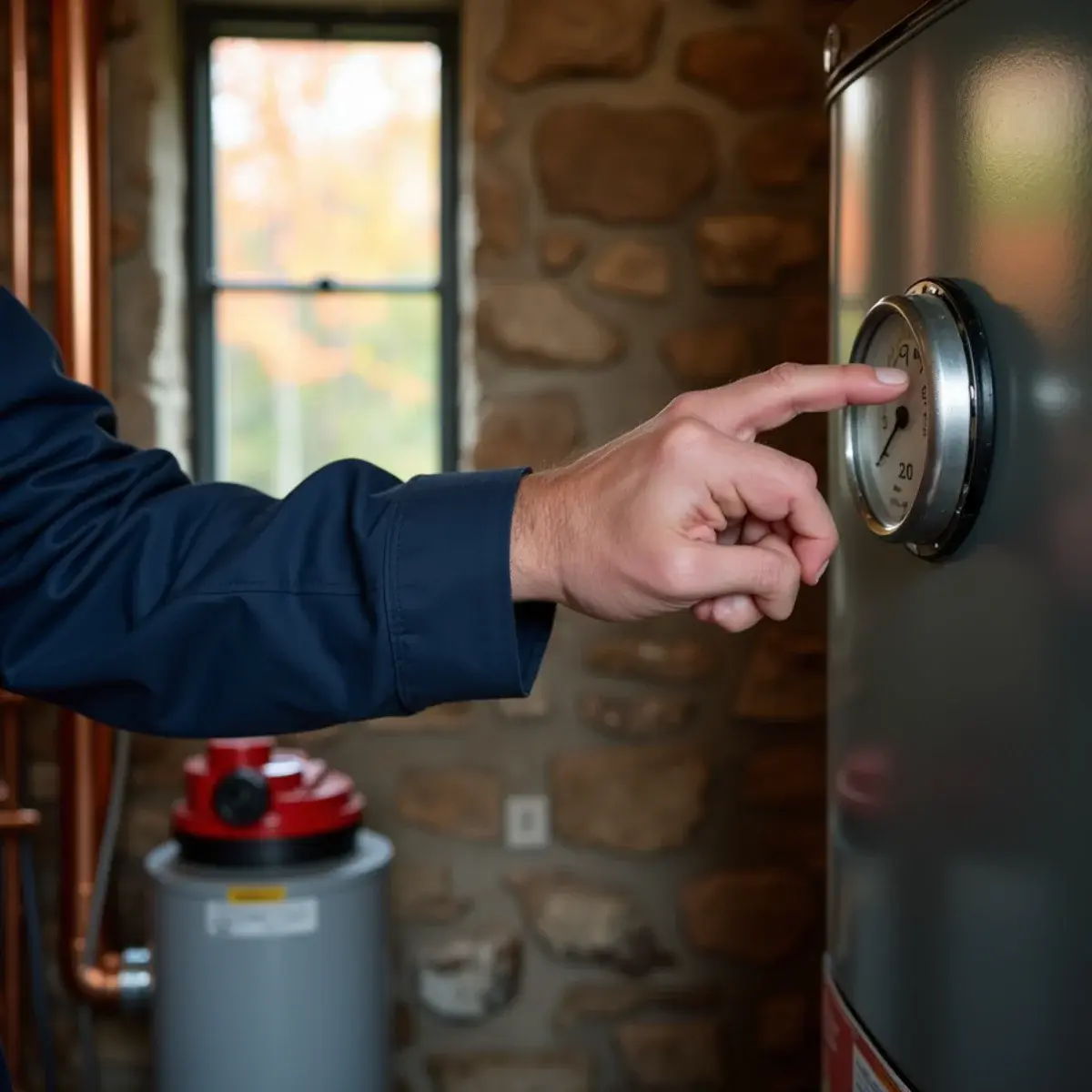
Oil is still common on farm properties in Rapho and East Donegal townships. Check the float gauge on top of the tank, and tap it gently since gauges stick. Running the tank dry pulls sludge and air into the line, so the burner usually needs bleeding and often a new filter and nozzle even after a delivery. Outdoor tanks can also gel during a January cold snap below 20°F.
If the red reset button on the oil burner has popped, you may press it one time. If the burner does not light and stay lit, leave it alone: each extra press pumps unburned oil into the combustion chamber and creates a real hazard.
Propane
Read the percentage gauge under the tank lid. If the tank ran empty, call the propane supplier first, because most suppliers must leak-test the system before they can restore service. A technician can then relight and check the furnace.
Read the Furnace's Own Clues
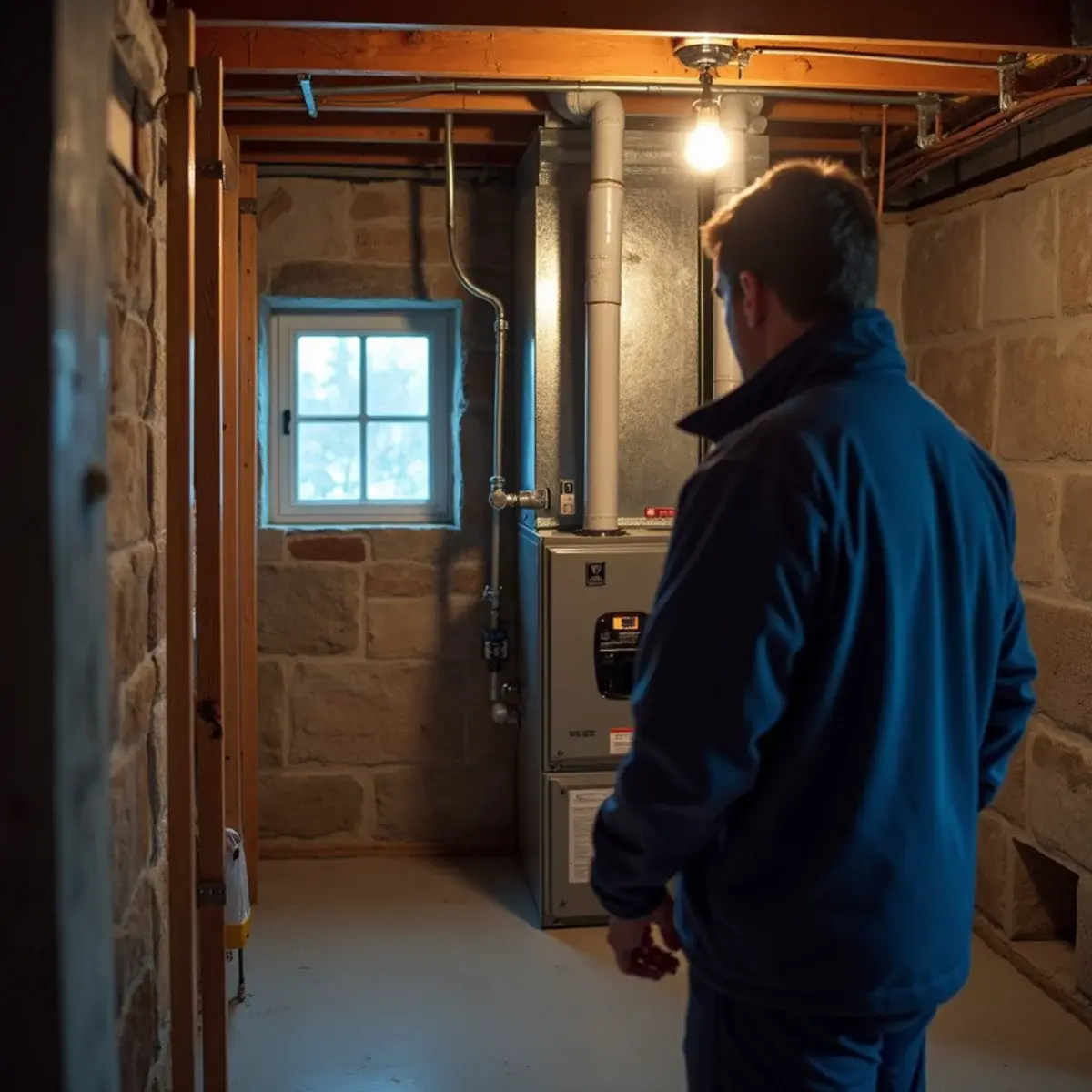
Most furnaces built since the 1990s have a small window in the blower door where a status light blinks a code. The legend is usually printed on a sticker inside that door. Write the pattern down for the technician.
Then listen. If you hear the inducer motor hum, the igniter click or glow, and the burners light for a few seconds before shutting off, that pattern often points to a dirty flame sensor. On a high-efficiency furnace, go outside and check the two white plastic pipes on the side of the house. Snow drifts and ice can block them, and the furnace will refuse to run until they are clear. A full condensate pan or a stopped condensate pump can also hold the furnace off.
Older homes along Main Street and in Florin often have no furnace at all. If yours heats with a boiler and radiators, cold radiators call for a different set of checks, and our boiler and radiator repair page walks through them.
If Your Home Has a Heat Pump
In Florin Hill and many newer subdivisions around Elizabethtown, the indoor unit is an air handler paired with a heat pump outside. Air from a heat pump feels warm rather than hot, and short bursts of cool air during defrost are normal. Our article on a heat pump blowing cold air in winter explains how to tell defrost from a fault.
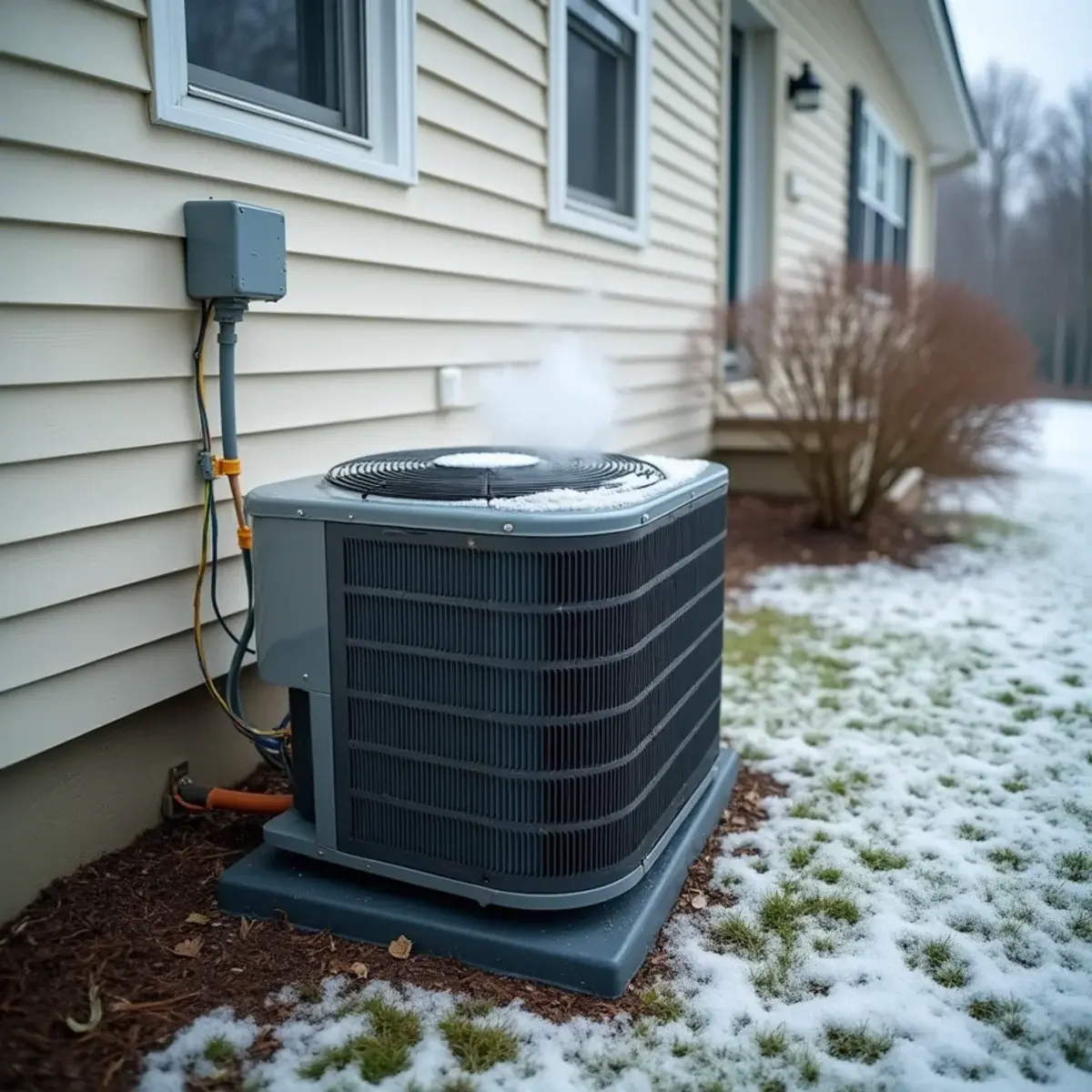
Signs that need attention: an outdoor unit encased in solid ice, an outdoor fan that does not spin, or an auxiliary heat light that never goes off. Setting the thermostat to emergency heat keeps the house warm in the meantime, and the heat pump repair page covers what a technician checks next.
Stop Troubleshooting If You Notice These
Gas smell or carbon monoxide alarm
If you smell gas, do not flip switches or try to relight anything. Get everyone out of the house, then call 911 from outside and call UGI's emergency line. If a CO alarm sounds, leave the house and call 911. Our guide to carbon monoxide warning signs explains what to watch for.
Also stop and call if you see scorch marks, smell burning plastic or wiring, hear loud banging or scraping from the blower, or find water pooling around the furnace that keeps coming back.
From the service calls
Three checks most no-heat guides skip
On service calls, a surprising number of cold houses come down to something the usual checklist leaves out. All three are safe to look at without tools.
- The blower door switch. Most furnaces have a small safety switch behind the lower front panel. If the panel was taken off to change the filter and put back slightly crooked, the furnace will not run at all. Seat the panel firmly and listen for the furnace to start a new cycle.
- The condensate trap on a high-efficiency furnace. Furnaces with white PVC vent pipes, common in Florin Hill and other post-2000 homes, make water. If the trap or drain line clogs, a pressure switch or float stops the burners. Water in the drain pan or a gurgling trap is the clue.
- Closed registers and blocked returns. Closing too many supply vents or pushing furniture against the big return grille can make the furnace overheat and shut itself off on the high-limit switch, which looks like a no-heat problem.
If one of these is the cause and the furnace restarts, keep an eye on it for a day. A clogged condensate trap or a limit switch that keeps tripping is worth a furnace repair visit, because the underlying cause usually comes back.
When the Checks Don't Bring the Heat Back
If you have worked through the list and the house is still cooling off, call (321) 478-0693. Calls are answered 24/7, including nights, weekends and holidays, and we send a local HVAC technician who gives you the price before work starts. Tell whoever answers your fuel type, the rough age of the furnace, what you already checked and any blink code you counted.
A typical January call from Rheems goes like this: the furnace lights, runs for ten seconds, shuts down and tries again, and the house has dropped to 58°F overnight. That pattern is usually a flame sensor or pressure switch problem, and it is exactly the kind of job our furnace repair page covers for homes from Mount Joy to Elizabethtown and Rheems.
While you wait on a night below 20°F, open the sink cabinets on outside walls, let a faucet drip, close the doors to unused rooms and never use the oven or a grill for heat. If the cold is a risk to an infant, an older relative or someone with a medical condition, say so on the call. Our emergency HVAC repair page explains how after-hours calls are handled.
Quick answers
Will turning the thermostat way up warm the house faster once the heat is back?
No. A furnace delivers heat at one rate no matter how high the setpoint is, so cranking it to 85 only makes it overshoot later. Set the temperature you actually want. With a heat pump, a big jump can also bring on the electric backup strips, which raises the PPL bill without warming the house any sooner.
Is it safe to run space heaters until the furnace is fixed?
Electric space heaters are reasonable for a night if you plug them directly into a wall outlet, never an extension cord or power strip, and keep them three feet from bedding, curtains and furniture. Never heat the house with a gas oven, a grill or an unvented fuel-burning heater, since those can fill the house with carbon monoxide.
How cold can my house get before the pipes are at risk?
Pipes inside heated rooms rarely freeze, but pipes in exterior walls, crawl spaces and unheated basements can freeze once indoor temperatures fall into the 50s during a night well below 20°F. Opening sink cabinets, letting a faucet drip and keeping the basement door open buys time until heat is restored.
Services mentioned in this guide
Emergency HVAC Repair (24/7)
No heat at 2 a.m. in January or a dead air conditioner during a July heat wave? A real person answers 24/7, sends a local HVAC technician for furnaces, heat pumps, boilers and central air, and gives you the price before any work starts, including any after-hours rate.
Emergency HVAC in Mount JoyFurnace Repair
Gas, oil or propane, a furnace that will not light or keeps blowing cold air gets a real diagnosis: igniter, flame sensor, inducer, oil burner or controls. A local technician explains the fault, gives the price before work starts, and checks for carbon monoxide risk before the heat goes back on.
Furnace Repair in Mount JoyHeat Pump Repair and Replacement
Iced-over outdoor unit, cool air at the vents or a thermostat stuck on aux heat? We send a local technician to diagnose defrost boards, reversing valves, capacitors and refrigerant leaks, then price the fix before work starts. For Florin Hill-era units near 20 years old, we lay out cold-climate and dual fuel replacement options.
Heat Pump Repair in Mount Joy