
The short answer
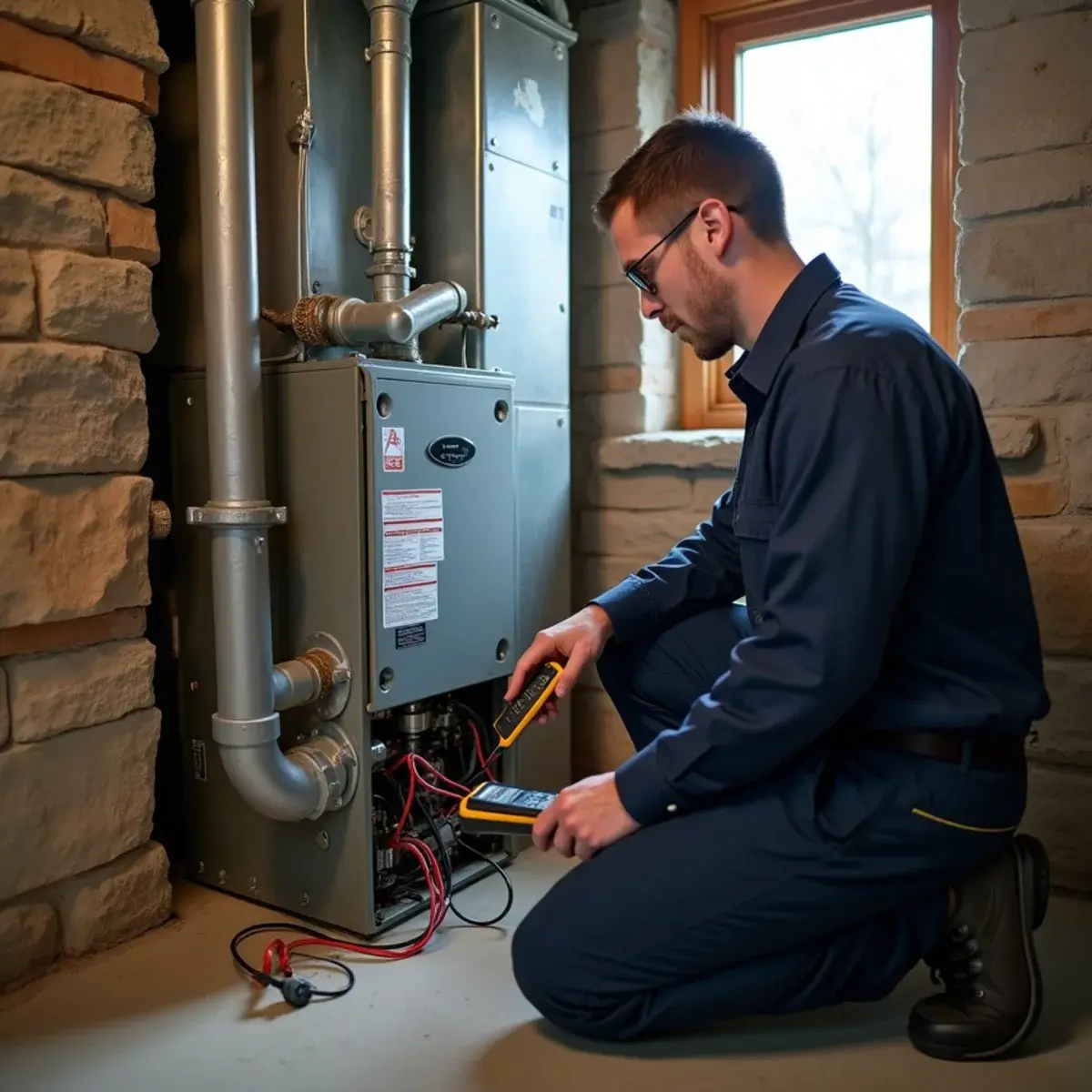
Furnace repair in Mount Joy, PA usually comes down to a handful of parts: a dirty flame sensor, a cracked igniter, a failed inducer or pressure switch, or an oil burner that has locked out. Call (321) 478-0693 any hour; a local technician checks carbon monoxide and combustion safety first, finds the failed part, and gives you the price before any work starts.
Furnace problems we repair
Furnace calls in Mount Joy build from the first chilly October night and peak in January, when lows drop below 20°F and a furnace that limped through fall finally quits. Some fixes are simple, like a worn igniter. Others, like a failing inducer or a cracked heat exchanger, need careful diagnosis first.
Lancaster County heats with a real mix of fuels: about 34% of homes on natural gas, 13.8% on fuel oil, and a share on propane, with electricity leading overall. UGI gas mains run through the borough, but much of Rapho, East Donegal and Mount Joy townships sits off the main, so we see oil and propane furnaces nearly as often as gas.
No heat, short cycling and cold air from the vents
No heat at all
When nothing happens at the furnace, the cause is usually upstream: a dead thermostat, a tripped breaker, an open service switch or a door switch not pressed in. When the inducer starts but the burners never light, suspect the igniter, pressure switch or gas valve.
Short cycling
A furnace that lights, runs briefly and shuts off is usually protecting itself: a clogged filter trips the high limit, or a dirty flame sensor fails to prove flame. Our article on furnace short cycling explains each pattern in detail.
Furnace blowing cold air
Cold air from the registers often means the blower is running while the burners are not. That happens when the board locks out after failed ignitions, when a high-efficiency furnace's vent pipe is blocked by snow or ice, or when an oil furnace has run out of fuel. Check that the thermostat fan is set to Auto, not On, before anything else.
Gas furnace repair: igniters, flame sensors, inducer and blower motors
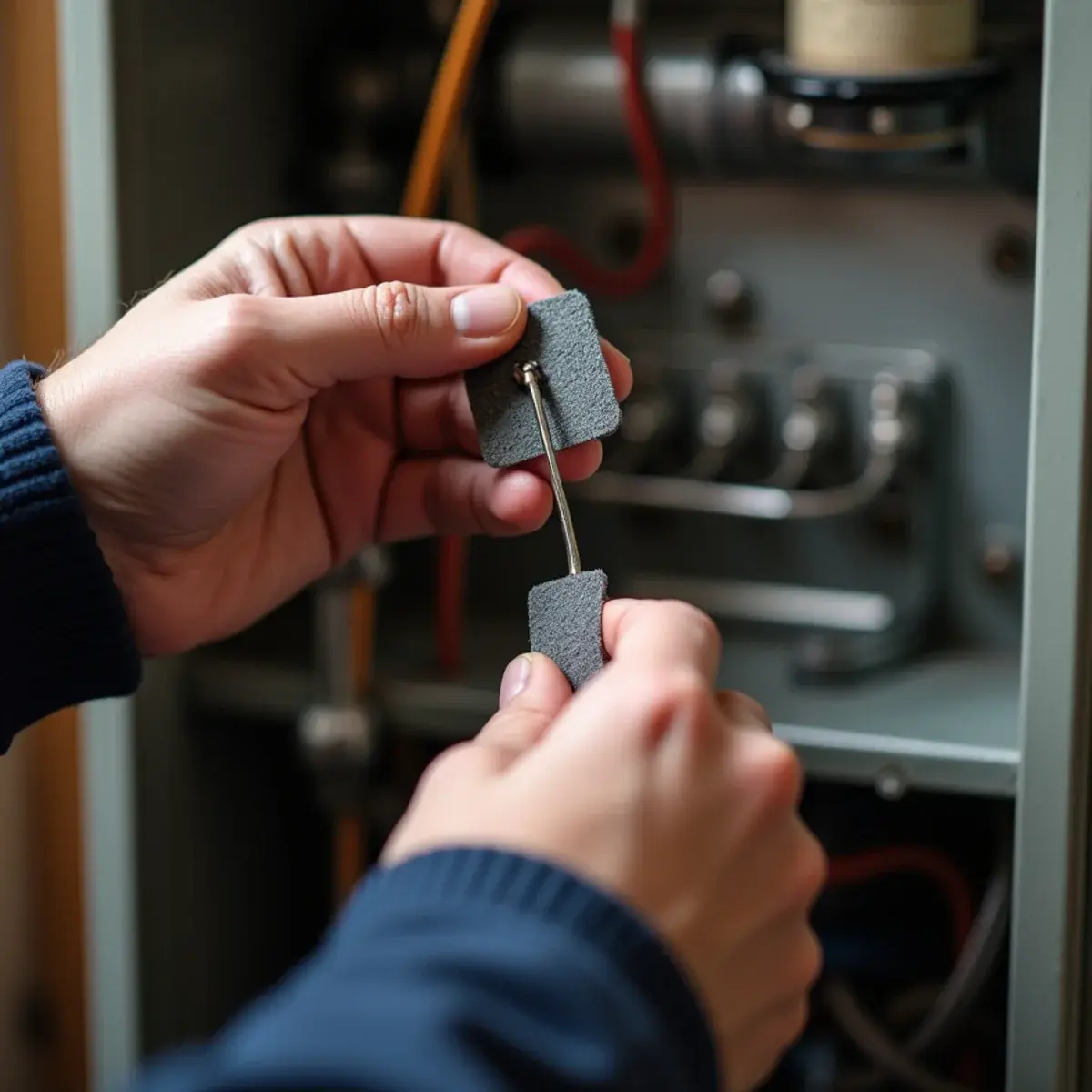
Every modern gas furnace runs the same sequence: the inducer purges the heat exchanger, the pressure switch confirms draft, the igniter glows, the gas valve opens and the flame sensor proves flame. A failure at any step stops the furnace, and the board usually flashes a code.
- Hot surface igniter: brittle silicon carbide igniters crack after years of heating and cooling; a cracked one may glow faintly and never reach lighting temperature.
- Flame sensor: a thin film of oxidation keeps it from proving flame, so the burners light for a few seconds and shut off.
- Inducer motor and pressure switch: a worn inducer bearing growls before it fails, and a cracked pressure switch hose or plugged condensate port stops ignition.
- Blower motor and capacitor: a motor that hums but will not spin, or a weak capacitor, leaves the heat exchanger to overheat.
- Control board and gas valve: less common, and confirmed by testing before replacement, not guessed.
Oil and propane furnace repair for homes off the gas main
Oil furnaces are common in farmhouses and older singles in the townships. Their faults are mechanical and fuel-related: a clogged nozzle or oil filter, fouled electrodes, a dirty cad cell that cannot see the flame, or sludge drawn from an aging tank. When the primary control locks out, press the reset button once at most. Pressing it repeatedly can flood the combustion chamber with oil.
Propane furnaces work much like gas furnaces but are set up with LP orifices and a gas valve built for propane pressure. The common trouble is running the tank low. After a run-out, the propane supplier typically has to perform a leak check before the system is relit, so call them first, then us.
| Fuel | Frequent failures | Routine service |
|---|---|---|
| Natural gas | Igniter, flame sensor, inducer, pressure switch | Clean sensor, test igniter, check draft and venting |
| Fuel oil | Nozzle, oil filter, electrodes, cad cell, primary control | New nozzle and filter, set electrodes, clean soot |
| Propane | Igniter, flame sensor, regulator pressure, low tank | Check LP pressure, clean sensor, verify tank level |
Many Main Street and Florin homes built before 1940 heat with radiators rather than a furnace. If that is your house, see our boiler repair and oil heat service page.
What to check before you call: thermostat, filter, power switch, oil tank
A few safe checks solve a surprising share of no-heat calls. Work through them in order and stop at any sign of a gas smell, a CO alarm or a burning odor. The full walk-through is in our guide to what to check when there is no heat.
- Thermostat: set to Heat, a few degrees above room temperature, fan on Auto. Replace the batteries if the display is blank.
- Breaker: look for a tripped furnace breaker. Reset it once; if it trips again, leave it off and call.
- Service switch: the light-style switch on or near the furnace is often bumped off by mistake. Make sure it is on.
- Filter: pull it out. If it is gray and packed, replace it; a clogged filter alone can stop a furnace.
- Fuel: on oil, read the tank gauge; on propane, check the tank percentage. On a high-efficiency gas furnace, look outside for snow or ice over the white PVC vent pipes.
If the furnace still will not run, do not open the burner compartment or bypass any switch. Call (321) 478-0693 and describe what you found.
Cracked heat exchangers and carbon monoxide: when a furnace must stay off
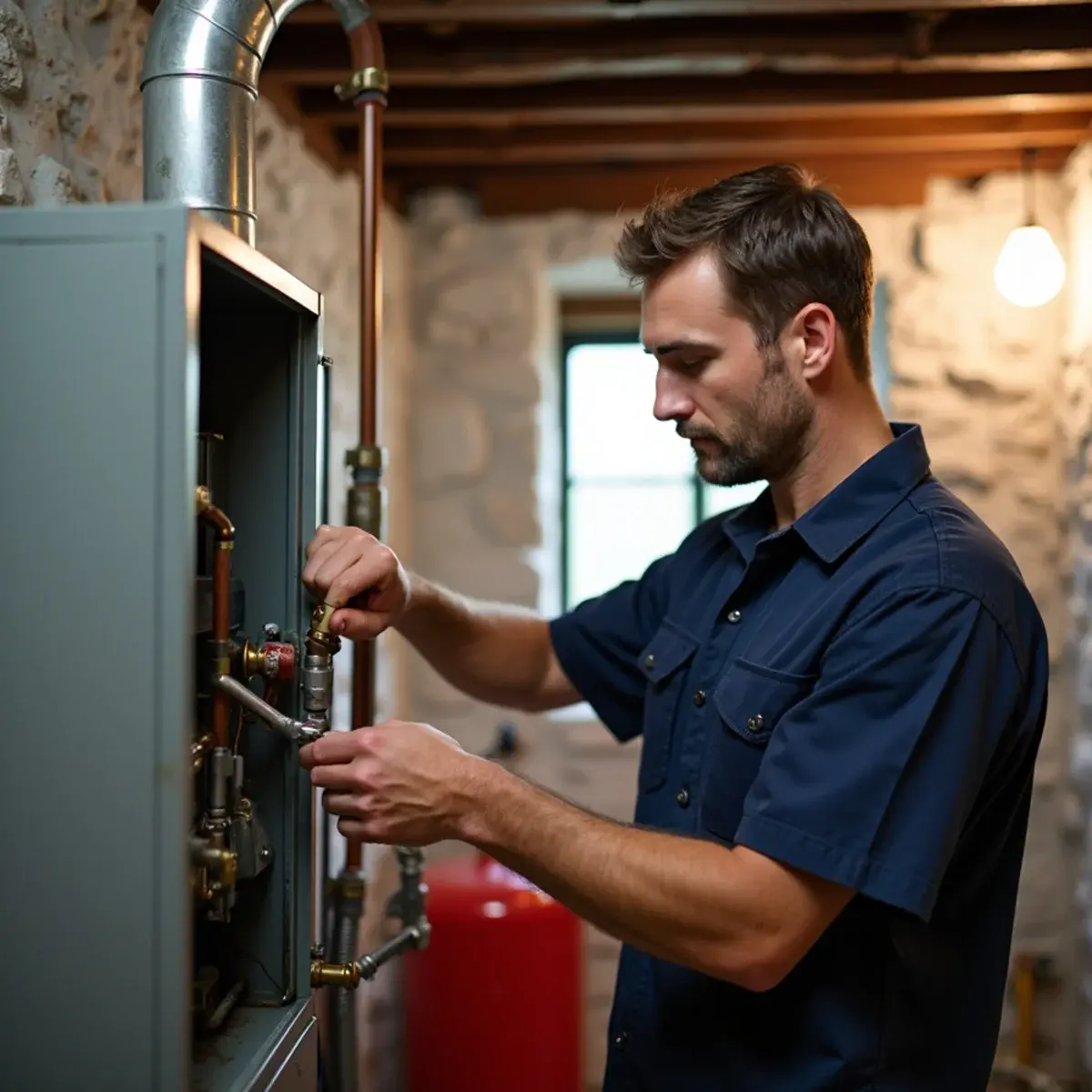
The heat exchanger keeps combustion gases out of the air you breathe. Years of heating cycles and overheating from poor airflow can crack it. Warning signs include soot around the burners, flames that dance or change color when the blower starts, a sharp or chemical smell, and a household that gets headaches or nausea at home that ease outside.
If your CO alarm sounds or you smell gas
Get everyone out of the house now, then call 911 from outside. For a gas smell, also call your gas utility from outside. Do not reset the furnace, flip switches or go back in until responders say it is safe. Then call us to have the furnace inspected.
Confirming a crack takes a camera inspection and a combustion analysis, not a guess. If the technician finds one, the furnace is shut down and should stay off until the heat exchanger or furnace is replaced. Our article on carbon monoxide and your furnace covers alarm placement and the early symptoms. Every HVAC technician we send is licensed where Pennsylvania requires it, and insured.
Furnace age in Mount Joy: 1970s-era replacements and post-2000 builder units
The median Mount Joy home was built around 1974, and most of those houses are on their second or third furnace. The other big group is Florin Hill and the streets built after 2000, where builder-grade gas furnaces installed in the early 2000s are now past 20 years. Both groups are at the age where a repair call starts a bigger conversation.
An aging furnace stacks up repairs: an inducer one winter, a blower motor the next. The technician will then lay out repair and replacement side by side; our AC and furnace installation page explains what a properly sized replacement involves.
What affects furnace repair cost, and what a fall tune-up covers
You get the price after diagnosis and before work starts. What moves it:
- The part: a flame sensor cleaning or igniter is a small job; an inducer, blower motor, control board or heat exchanger is a big one.
- Fuel type: oil burner repairs involve different parts and labor than gas or propane.
- Furnace age: parts for older or discontinued models can be harder to source.
- Access: a tight townhome closet or crawlspace takes longer than an open basement.
- Timing: nights, weekends and holidays can change the rate, and you hear it before work begins.
Our guide to furnace repair cost in Lancaster County goes deeper. A fall tune-up in September or October covers what fails in January: igniter and flame sensor tests, inducer and pressure switch checks, a heat exchanger inspection, gas pressure and temperature rise, a combustion and CO test, the condensate trap and venting. On oil, add a new nozzle and filter, electrode setting and soot cleaning.
We repair furnaces across Mount Joy and the nearby service areas, including Elizabethtown, Manheim and furnace repair in Hershey. For a no-heat night with a newborn or a frozen-pipe risk, use our emergency HVAC repair line.
What a furnace repair visit covers
Gas, oil or propane, the visit is built around safety first and a measured cause second, so you are not paying for parts swapped on a hunch.
- A carbon monoxide reading at the furnace and in the living space before anything else
- The control board fault code read and a full ignition sequence watched from inducer to flame
- Flame sensor microamps, igniter resistance and pressure switch operation tested on gas and propane units
- Nozzle, filter, electrodes and burner reset history checked on oil furnaces
- A visual check of the heat exchanger and the flue, plus the condensate trap on 90% furnaces
- Blower, filter and temperature rise measured so airflow is not causing the next shutdown
- The cause and the repair price explained before work starts
- Several full heating cycles run after the repair, and a clear explanation if the furnace has to stay off
How a furnace repair works, step by step
Here is what happens from the moment you call about a cold house to the moment the heat is back on.
Triage on the phone
We ask whether the furnace burns gas, oil or propane, whether the blower is running, and whether there is a gas smell or a carbon monoxide alarm. A gas smell or CO alarm goes to 911 first.
Safety checks at the furnace
The technician checks for gas leaks and carbon monoxide before relighting or resetting anything, because a furnace that restarts unsafely is worse than one that stays off.
Read the fault and watch it fail
The blinking light on the control board narrows it down, then the technician watches the ignition sequence to see exactly which step stops: inducer, pressure switch, igniter, gas valve or flame proving.
Test the suspect part
Meters, not guesses: igniter resistance, flame sensor microamps, limit and pressure switch continuity, or burner pressure and electrode gap on oil.
Price, then repair
You hear the cause and the price, approve the work, and the part is replaced or the burner serviced.
Prove it under load
The furnace runs through several full cycles while the technician checks temperature rise and combustion, so it does not quit again the next cold night.
Why Mount Joy homeowners call us when the furnace quits
Gas, oil and propane, all three
Natural gas from UGI in the borough, fuel oil on township farm properties and propane in between. The technician we send works on the fuel your furnace actually burns.
Answered in a January cold snap
No-heat calls come at night and on weekends. A person answers (321) 478-0693 24 hours a day and starts lining up a technician on that call.
Carbon monoxide safety comes before speed
A furnace with a cracked heat exchanger or a blocked flue is shut down and explained, not restarted to close out the call. Our carbon monoxide safety guide explains why.
Price first, and no push to replace
You hear the repair price before work starts. A 1970s furnace with a sound heat exchanger can often be repaired; when it cannot, you hear the reasons plainly.
Furnace Repair questions from Mount Joy homeowners
Why is my furnace blowing cold air?
Usually the blower is running but the burners are not lit. Check that the thermostat fan is set to Auto rather than On and that the filter is not clogged. On a high-efficiency furnace, look for snow over the PVC vent pipes outside; on oil, check the tank gauge. If those are fine, the furnace has likely locked out after failed ignition, which points to the igniter, flame sensor or inducer.
Do you repair oil and propane furnaces as well as gas?
Yes. We send technicians for natural gas, fuel oil and propane furnaces, which matters around Mount Joy because much of Rapho, East Donegal and Mount Joy townships is off the UGI gas main. Oil work includes nozzles, filters, electrodes and primary controls. For propane, if the tank ran empty, call your propane supplier first, since a leak check is usually required before the furnace can be relit.
Is a cracked heat exchanger dangerous?
Yes, it can be. A crack can let combustion gases, including carbon monoxide, mix with the air your blower sends through the house. A furnace with a confirmed crack should stay off until it is repaired or replaced. If your CO alarm sounds, leave the house, call 911 from outside, and do not go back in or restart the furnace until responders say it is safe.
How long should a furnace last in central Pennsylvania?
Most gas furnaces here last about 15 to 20 years, and well-kept oil furnaces often run longer. Long heating seasons with lows below 20°F add run hours, so annual tune-ups make a real difference. A furnace past 15 years that needs a major part, such as an inducer, control board or heat exchanger, is worth weighing against replacement before you spend on the repair.
Why is my furnace making a loud banging, squealing or rumbling noise?
A bang at startup usually means gas is building up before it lights, often from a dirty burner or a weak igniter, and should be checked soon. Squealing points to the blower motor or its bearings. A rumble after the burners shut off can mean a burner or flame problem. Turn the furnace off if you smell gas or hear the noise with a burning smell, and call (321) 478-0693.
Why does my furnace keep turning on and off?
That is short cycling. The common causes are a clogged filter tripping the high-limit switch, a dirty flame sensor, a blocked vent tripping the pressure switch, a badly placed thermostat or a furnace that is too big for the house. Start by changing the filter. If it keeps cycling, our guide to furnace short cycling explains what the technician checks next.
Furnace Repair in Mount Joy and nearby towns
Furnace calls cover the whole Mount Joy area, from Florin Hill builder furnaces to oil-fired units on farm properties in Rapho and East Donegal townships. Beyond the 17552 area we repair furnaces in Elizabethtown, Manheim, Hershey, Ephrata and Palmyra. The full list is on the service areas page.
Related HVAC services
Boiler Repair and Oil Heat Service
Hot water and steam boiler repair for Mount Joy's older homes: cold radiators, leaks, banging pipes, failed circulators and stuck zone valves. Annual oil burner service with a new nozzle, filter and combustion test, plus straight advice on when a tired boiler should be repaired, replaced or converted. Calls answered 24/7.
Boiler Repair in Mount JoyEmergency HVAC Repair (24/7)
No heat at 2 a.m. in January or a dead air conditioner during a July heat wave? A real person answers 24/7, sends a local HVAC technician for furnaces, heat pumps, boilers and central air, and gives you the price before any work starts, including any after-hours rate.
Emergency HVAC in Mount JoyAC and Furnace Installation
Replace a worn-out furnace, air conditioner or heat pump with a system sized by a Manual J load calculation, not the old nameplate. Gas furnace with central air, heat pumps, dual fuel and oil-to-gas conversions for Mount Joy homes, with AHRI-matched equipment, permits handled and the price given before work starts.
AC & Furnace Installation in Mount JoyGuides for this problem
6 min read
No Heat in the House? What to Check Before You Call for Furnace Repair
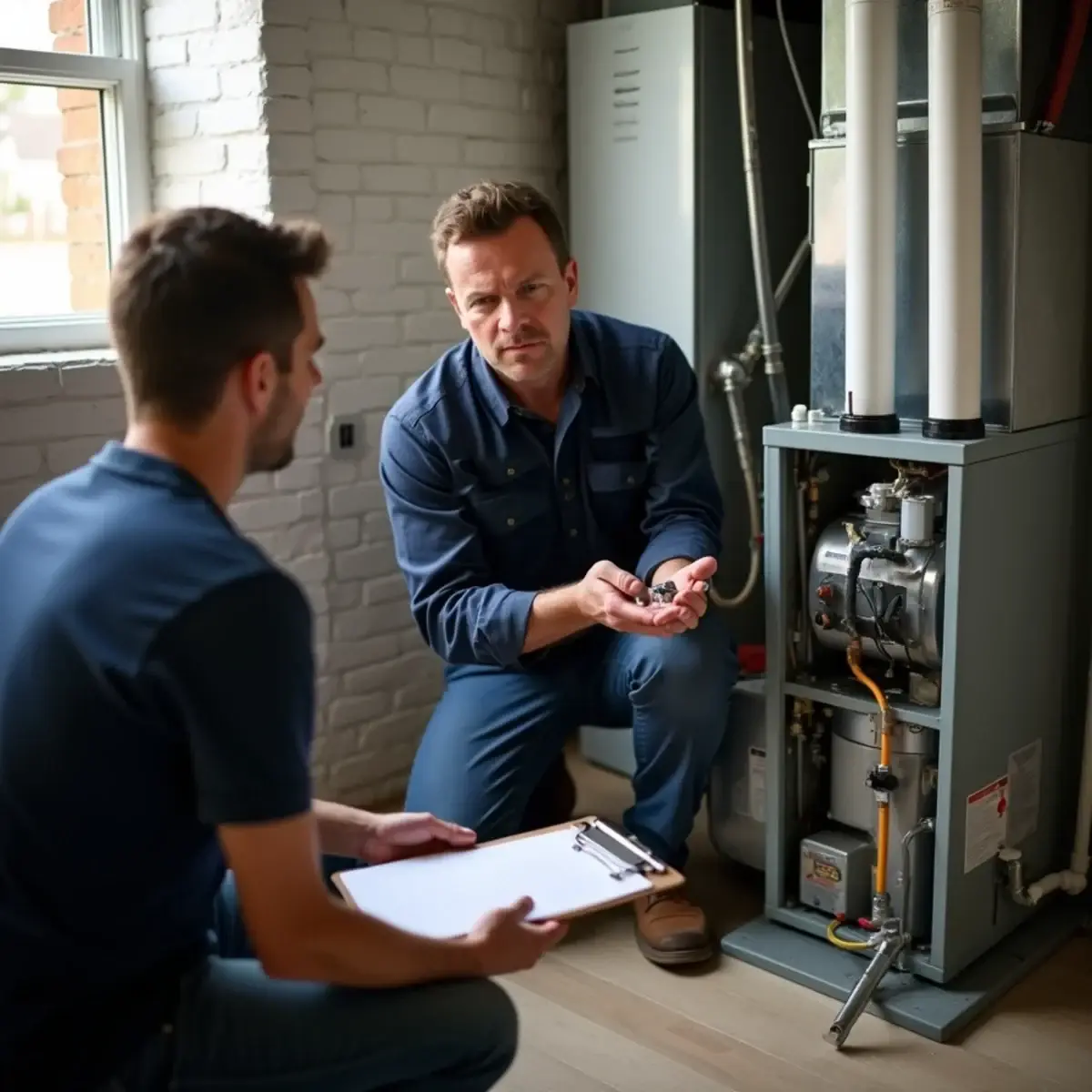
Before you call about a cold house, check the thermostat, the furnace switch and breaker, the filter, the fuel supply and the blinking status light. Here is the order to work through, and when to stop.
6 min read
How Much Does Furnace Repair Cost in Lancaster County, PA?
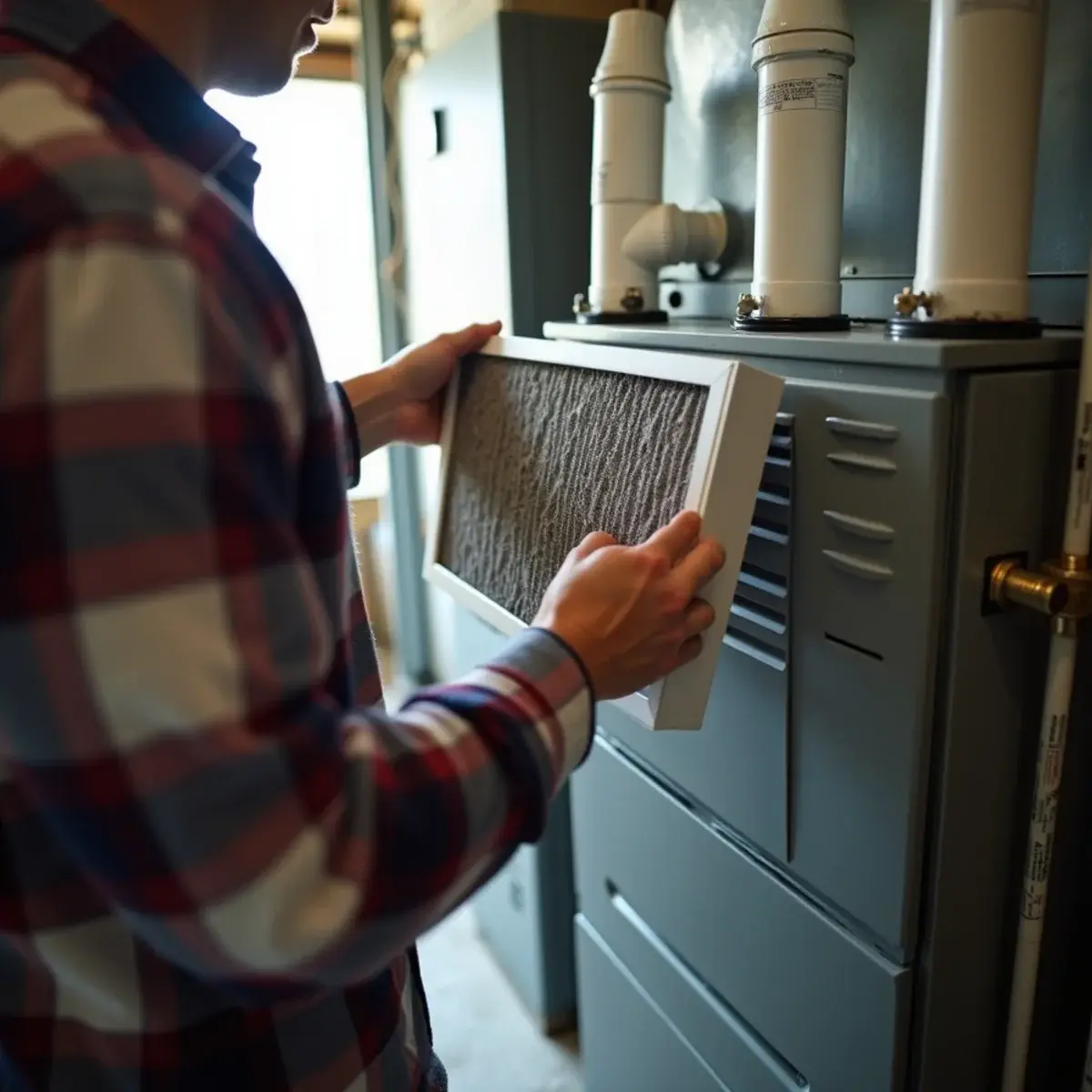
Furnace repair prices swing widely because a flame sensor and a heat exchanger are both called furnace repair. Here is what drives the number in Lancaster County, and how to judge a quote before you say yes.
6 min read
Furnace Short Cycling: Why It Keeps Turning On and Off
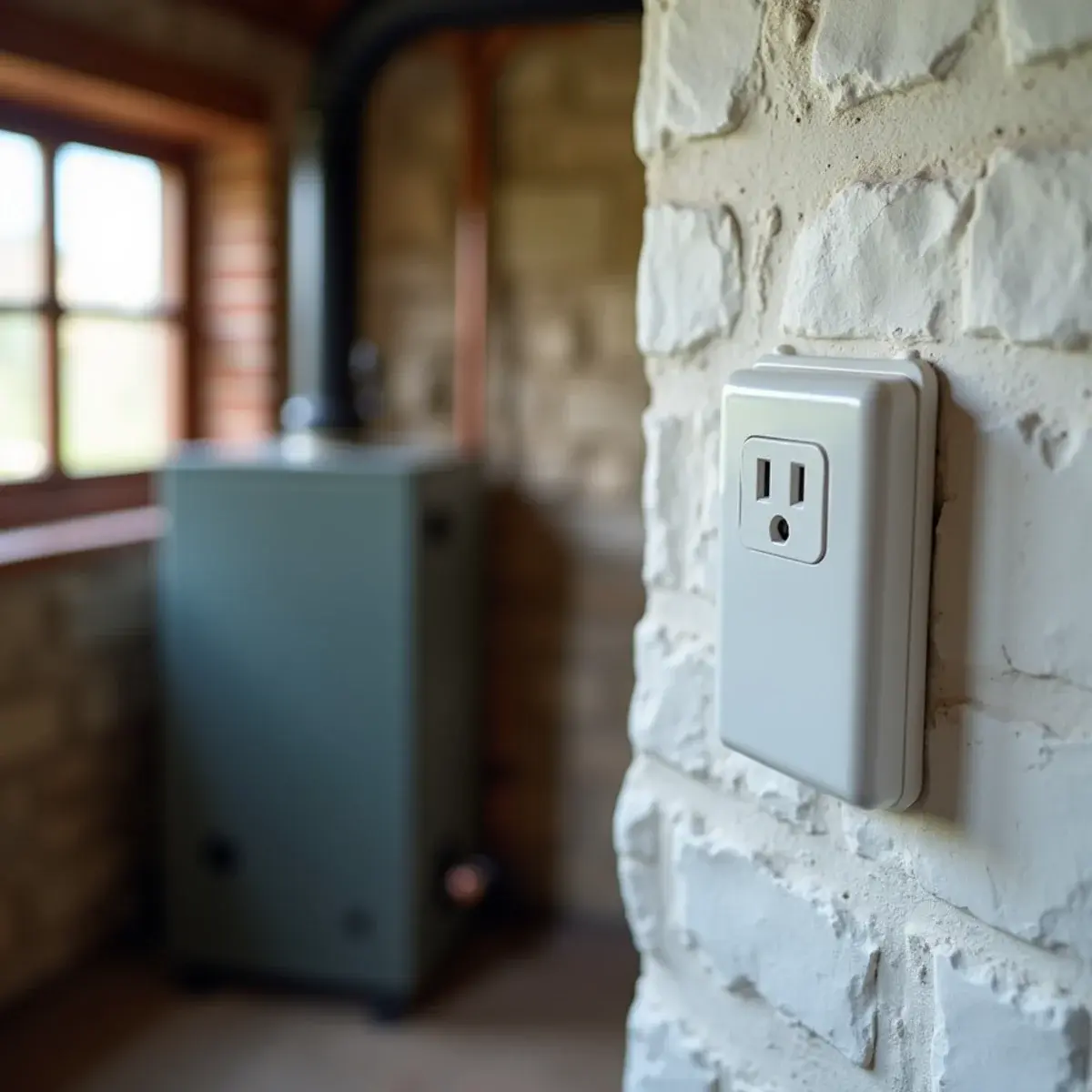
A furnace that lights, runs a few minutes and shuts off again is short cycling. Here are the usual causes, the few things you can safely check, and why it is worth fixing before January.
6 min read
Carbon Monoxide and Your Furnace or Boiler: Warning Signs and What to Do
Carbon monoxide from a furnace, boiler or blocked chimney gives few clues before people feel sick. Learn the sources, the symptoms, where CO alarms belong and exactly what to do when one sounds.