
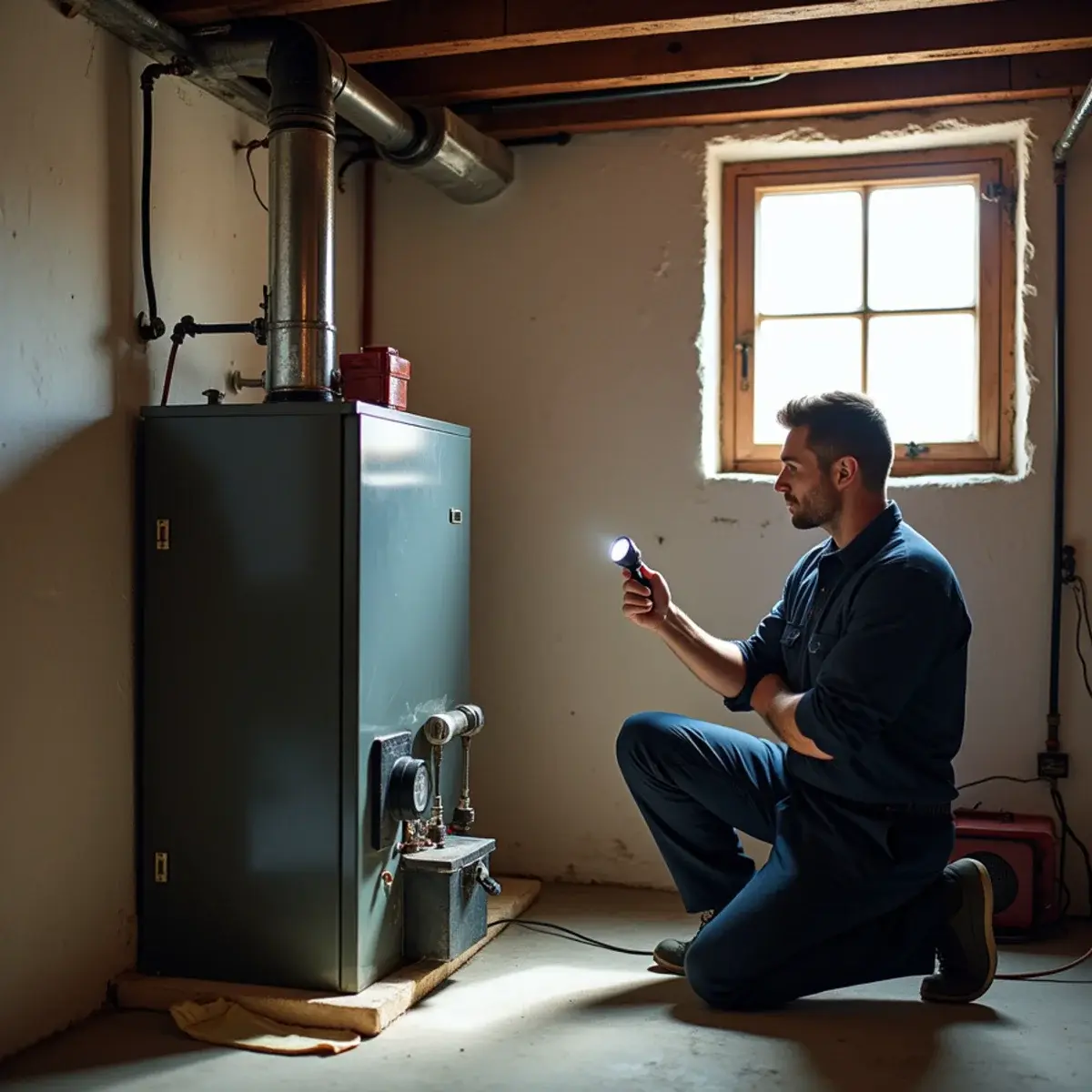
The short answer
Boiler repair in Mount Joy, PA usually means bringing heat back to cold radiators: an oil burner on lockout, a failed circulator or zone valve, air trapped in the piping, low pressure or a tripped low-water cutoff. Call (321) 478-0693 any hour; a local technician who works on hot water and steam systems finds the cause, checks combustion safety and gives you the price before any work starts.
Boiler problems we repair: no heat, leaks, banging pipes, burner lockouts
A boiler has no blower to hear, so the first sign of trouble is usually a cold radiator or a puddle on the basement floor. Most boiler calls fall into a few groups:
- No heat: a burner that will not light, a failed aquastat or control, a seized circulator, or an oil tank that ran dry
- Leaks: a weeping relief valve, a corroded fitting, a failed circulator gasket or, worst case, a cracked cast-iron section
- Noise: banging in steam pipes, gurgling from trapped air, a circulator that grinds or hums
- Burner lockouts: an oil burner that fires briefly, then stops with the red reset button tripped
- Smells or soot: fuel odor or soot around the burner door
If you smell gas or a carbon monoxide alarm sounds, leave the house and call 911 from outside, then the gas utility. Our article on carbon monoxide warning signs from a furnace or boiler explains what to watch for, and 24/7 emergency HVAC repair covers what to do on a no-heat night.
Hot water and steam systems in Mount Joy's pre-1940 homes
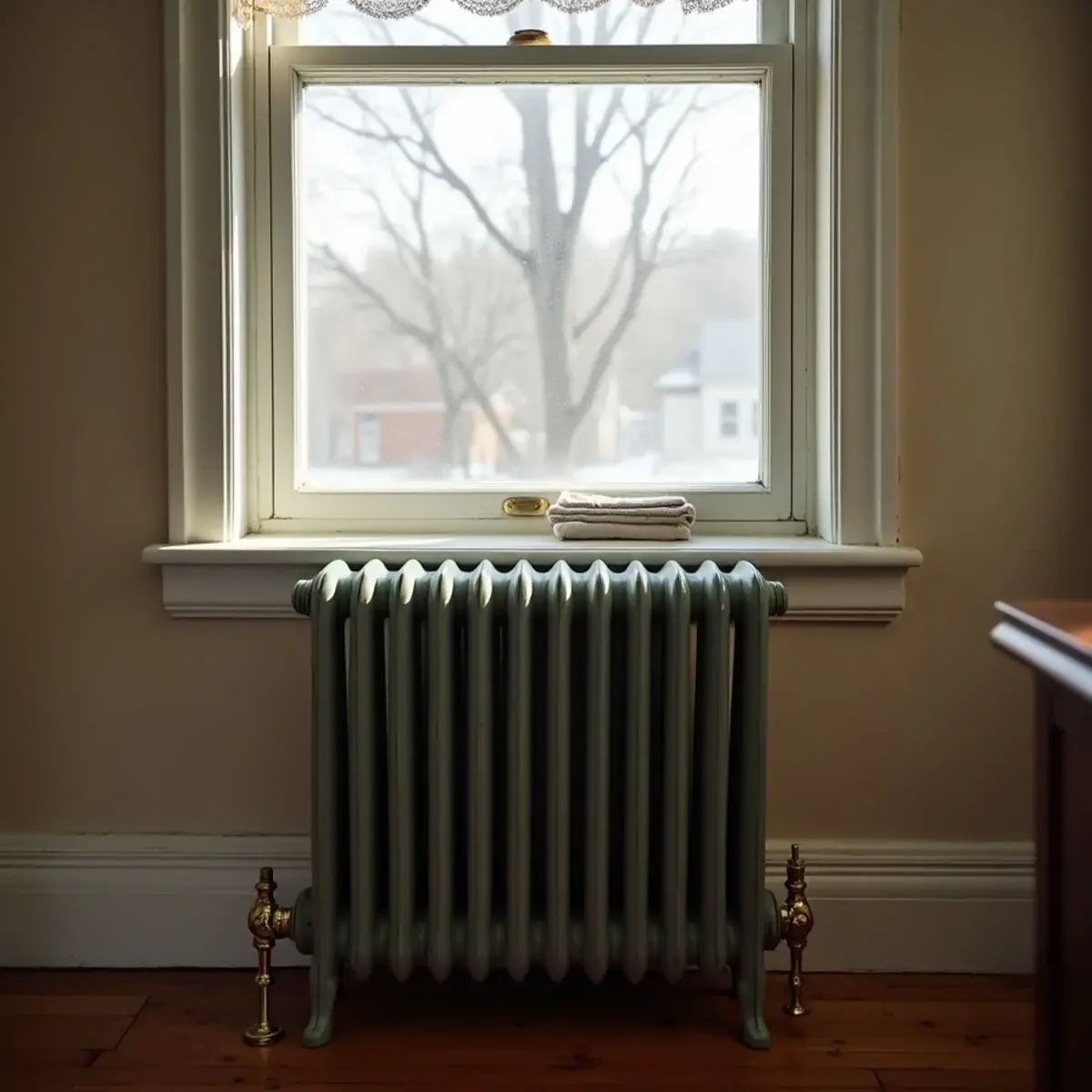
About a quarter of Mount Joy's homes (24.6%) were built before 1940, mostly along Main Street and around Florin. Many still heat with original cast-iron radiators and never had ductwork. The boiler has usually been replaced once or twice; the piping has not.
Hot water
A hot water boiler heats water and a circulator pump pushes it through radiators or baseboard and back. The system is sealed and lightly pressurized, with an expansion tank to absorb the water's growth as it warms. Plenty of old gravity systems were converted to pumped hot water decades ago.
Steam
A steam boiler boils water at very low pressure and the steam rises through the pipes on its own. The giveaway is a glass sight tube on the boiler showing the water level. One-pipe radiators carry an air vent that lets air escape as steam arrives, and the pipes must stay pitched so condensate drains back. When a pipe sags, water collects and the system bangs.
When you call, tell us whether you have steam or hot water so the technician arrives prepared. The same question comes up in the brick rowhomes of Columbia, which share much of Mount Joy's history.
Oil burner service: nozzle, filter, electrodes and the reset button
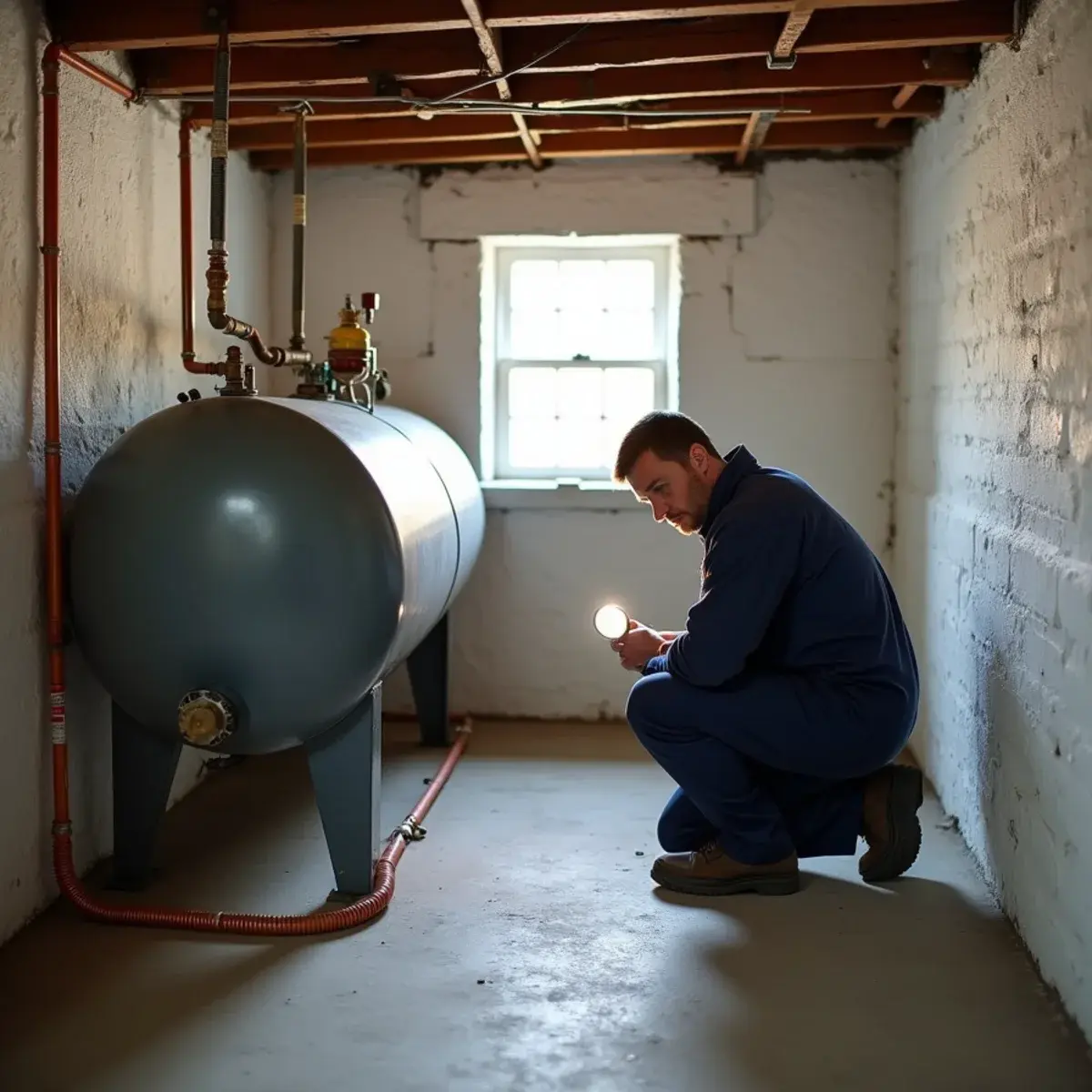
Fuel oil still heats 13.8% of Lancaster County homes, many beyond a UGI gas main: farmhouses in Rapho, East Donegal and Mount Joy townships, and borough homes that never converted. An annual oil service typically covers:
- A new nozzle, which sprays the fine oil mist, and a new oil filter
- Cleaning the pump strainer and checking pump pressure
- Cleaning and gapping the ignition electrodes and checking the cad cell that proves flame
- Vacuuming soot from the combustion chamber and flue passages
- A combustion analysis with smoke and draft readings to set clean, efficient firing
The oil burner reset button: press it once
If the burner has locked out, first check the tank gauge and make sure the emergency switch is on. Then press reset one time. If the burner locks out again, stop and call. Each press sprays oil into the combustion chamber, and repeated resets can flood it with unburned oil that ignites violently when the burner finally lights.
Running out of oil is a common lockout cause. Afterward, the line and pump usually need bleeding and a fresh filter, which is a job for the technician.
Cold radiators and dead zones: air, circulators and zone valves
In a hot water system, trapped air is the first suspect, especially in upstairs radiators. Bleeding is a reasonable homeowner job: with the thermostat turned down and the radiators cool, open the bleed valve with a radiator key over a rag and close it once water appears. Then check the boiler gauge. If pressure has dropped and does not recover, call rather than adding water yourself.
If bleeding does not help, the fault is usually mechanical:
- Circulator pump: a seized motor or broken coupler leaves hot water sitting in the boiler while the rooms cool
- Zone valves: a valve stuck shut starves one zone, while a failed end switch can keep the boiler idle even though the thermostat is calling
- Sludge or a closed valve: common in old systems with decades of rust in the water
In a steam system, never try to bleed a radiator. A cold steam radiator usually points to a clogged air vent, a radiator tilted the wrong way or a basement main vent that no longer releases air. The technician checks vents, pitch and the pressure control before replacing anything.
Pressure, low-water cutoffs and relief valves
Three parts protect the boiler and the people around it, and each one tells the technician something.
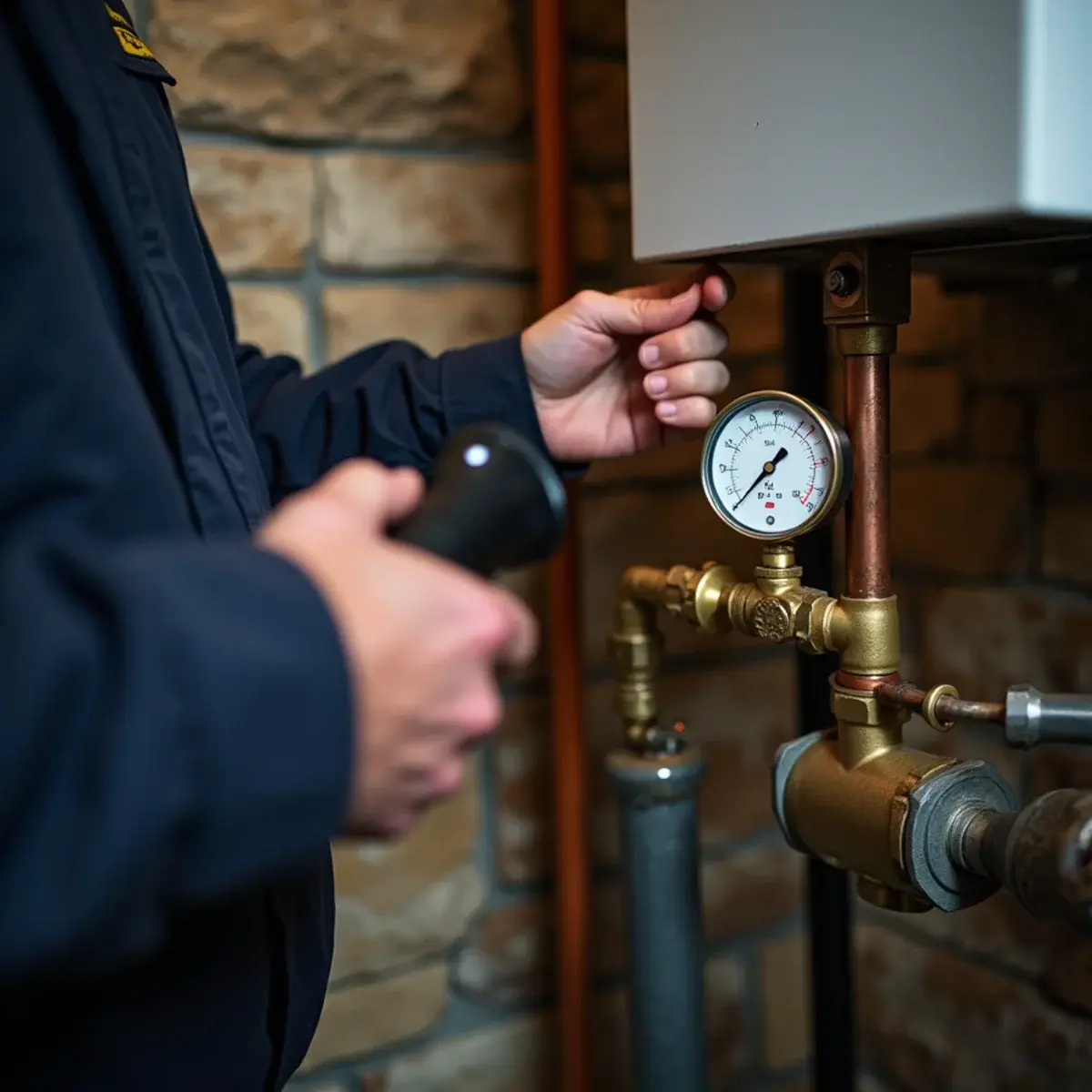
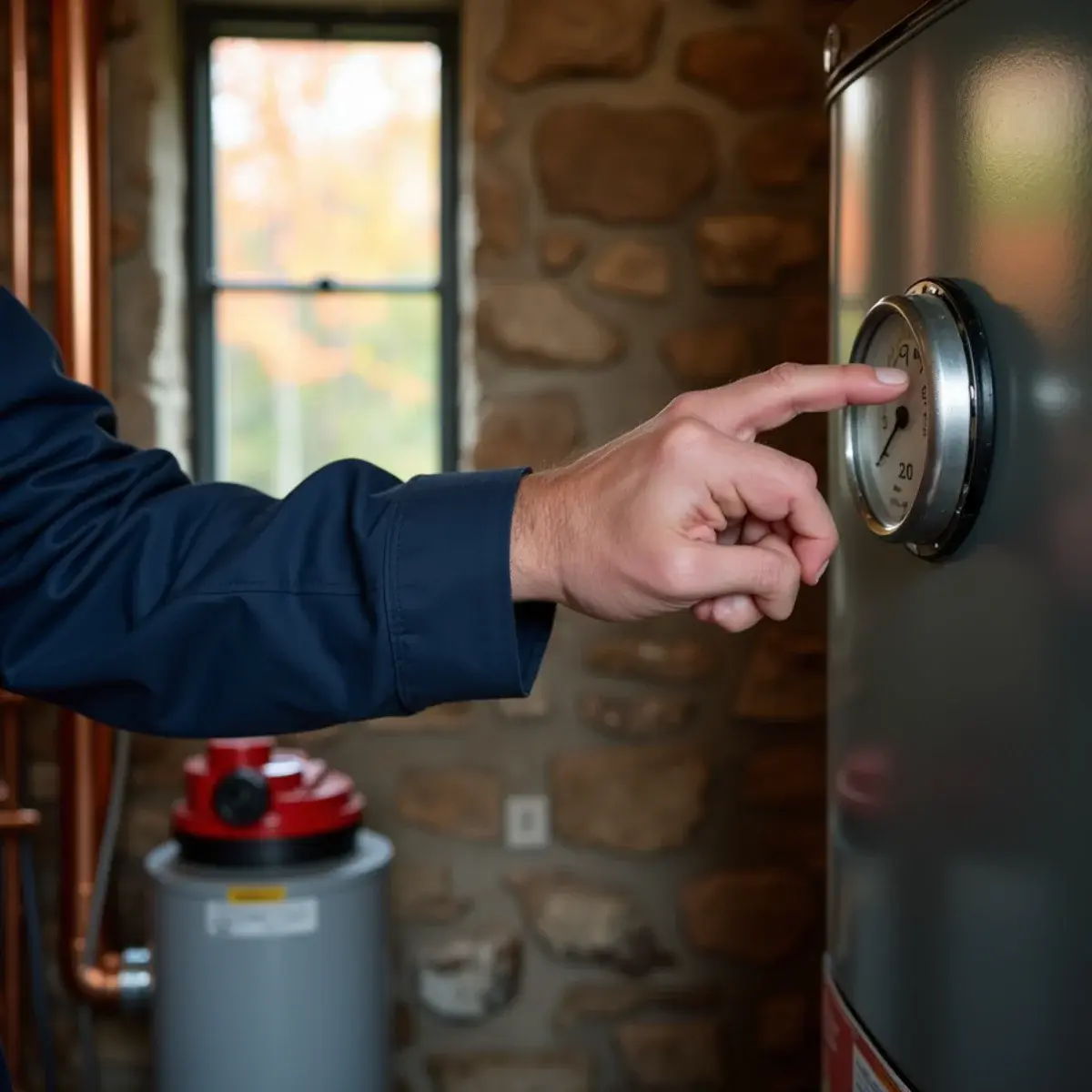
- Pressure: a residential hot water system typically reads 12 to 15 psi cold and climbs as it heats. Pressure creeping toward 30 psi points to a waterlogged expansion tank or a leaking fill valve. Steam boilers run far lower, usually a pound or two.
- Relief valve: set at 30 psi on most home hot water boilers, it opens to dump water if pressure runs too high. A dripping relief valve is a warning sign. Never cap, plug or tie it shut.
- Low-water cutoff: it stops the burner if the water level drops, which keeps a steam boiler from firing dry and cracking. The technician tests it on every visit and tells you whether yours is a float type that needs regular flushing.
Repair, replace or convert from oil: how to decide
A cast-iron boiler can last 30 years or more with clean water. Circulators, controls and burner parts are well worth replacing on a sound boiler. The answer shifts when a cast-iron section cracks, when the boiler is badly oversized for a house that has since been insulated, or when parts for an old burner or control are no longer made.
Replacement can mean a new oil boiler, a gas boiler if a UGI main reaches the street, or, for hot water systems, a condensing mod-con boiler that runs cooler water through the same radiators. Steam systems need a steam boiler, piped to the manufacturer's near-boiler specifications. Some owners keep the boiler and add ductless mini-splits for cooling and shoulder-season heat. Our guide to oil-to-gas and oil-to-heat-pump conversions compares the routes, and homes with forced air should see furnace repair.
What affects boiler repair cost
The technician diagnoses the problem and gives you the price before work starts. What drives it:
- Steam or hot water, and how much original piping the repair touches
- Parts availability for older burners, aquastats and circulators
- Access, such as a fieldstone basement with low headroom and a narrow stair
- Old pipe insulation that may contain asbestos, which has to be left undisturbed or handled by an abatement contractor first
- Timing, since some contractors charge differently for nights and weekends
The repair you never need is the one a fall service catches, and our fall furnace and boiler checklist shows what to look at before the first cold night. Boiler calls come to (321) 478-0693 at any hour from across our Mount Joy service area, including farmhouses around Manheim and older homes in Elizabethtown and Lititz.
What a boiler repair visit covers
Hot water or steam, oil or gas, cast iron from the 1950s or a newer condensing boiler: the visit checks the whole loop, not just the burner.
- Burner operation and flame: a blue, steady flame on gas, a clean yellow-orange flame without smoke on oil
- Combustion and carbon monoxide readings at the flue, plus a check for soot and draft
- System pressure and temperature on hot water boilers, water level and gauge glass on steam
- Low-water cutoff, pressure relief valve and expansion tank tested
- Circulator pumps, zone valves and the thermostat calls that drive them
- Air in the piping found and purged, radiators bled where needed
- On oil: nozzle, oil filter, electrodes, pump pressure and the reset history
- The cause and the price before work starts, and a clear explanation if the boiler must stay off
How a boiler repair works, step by step
Tell us what the radiators are doing
All cold, some cold, banging, water on the floor, or a red light on the oil burner. Say whether it is steam or hot water if you know, and how many times the reset button was pressed.
Safety and combustion first
Before anything is restarted, the technician checks for flue gas spillage, carbon monoxide and soot. An oil burner flooded by repeated resets gets cleared before it is fired.
Follow the heat
The burner, then the water: pressure or water level, the low-water cutoff, circulators and zone valves, until the reason heat is not reaching the radiators is clear.
Price, then repair
You hear the cause and the price. A new circulator, zone valve, nozzle and filter, or a purge of trapped air is done once you approve it.
Heat every zone
Each zone is called for heat in turn and the technician confirms the far radiators warm up, so a second cold room does not show up that evening.
Why owners of older Mount Joy homes call us for boiler work
Built around pre-1940 houses
About a quarter of Mount Joy homes predate 1940, many still on cast-iron radiators along Main Street and in Florin. Technicians work on the steam and hot water systems those homes rely on.
Oil heat taken seriously
Farm properties and older homes off the UGI main still burn oil. Burner service, lockouts and annual cleaning are routine work, not an afterthought.
Honest about repair, replace or convert
A sound cast-iron boiler can run for decades with good care. If conversion makes sense, you get the tradeoffs, not a sales pitch. Read oil to gas or oil to heat pump.
Answered the night the radiators go cold
A person answers (321) 478-0693 24/7, and any after-hours rate is explained before a technician is sent.
Boiler Repair and Oil Heat Service questions from Mount Joy homeowners
Why are some of my radiators cold while others are hot?
In a hot water system, the usual cause is air trapped in the cold radiators, often on the top floor, followed by a failing circulator or a stuck zone valve. In a steam system, a cold radiator usually means a clogged air vent or a radiator pitched so condensate cannot drain. If bleeding does not fix a hot water radiator, or you have steam, call a technician.
How many times can I press the reset button on an oil burner?
Once. Check that the tank has oil and the emergency switch is on, then press reset a single time. If the burner locks out again, stop and call for service. Every press sends oil into the combustion chamber, and repeated resets can leave a pool of unburned oil that ignites with a bang, damaging the boiler and spreading soot through the house.
How often does an oil boiler need to be serviced?
Once a year, ideally in late summer or early fall before the heating season starts. Oil burners leave soot, and a clogged nozzle or filter can shut the burner down on the first cold night. An annual service replaces the nozzle and filter, cleans the electrodes and combustion chamber, and sets the burner with a combustion analyzer so it fires cleanly all winter.
Should I replace my boiler or convert to a different heating system?
Repair a sound boiler; replace one with a cracked section, a chronic leak or parts that are no longer made. Converting makes sense when a UGI gas main reaches your street, or when you also want cooling, in which case a ductless heat pump can work alongside the boiler or take over much of its load. Either way, your radiators can usually stay.
Do you work on high-efficiency condensing boilers as well as old cast iron?
Yes. Mount Joy has both: cast-iron boilers that have run for decades in older homes and wall-hung condensing or combi boilers in renovated ones. Condensing boilers add their own checks, including the condensate trap and neutralizer, PVC venting, the heat exchanger and modulation settings. Tell us the type on the call, and the brand if you can see it.
Why is my oil burner flame yellow and smoky, or leaving soot?
A lazy, smoky flame means poor combustion, usually from a worn nozzle, a clogged oil filter, wrong electrode settings, a draft problem or a dirty heat exchanger. Soot builds up fast and can block the flue, which is a carbon monoxide risk. Shut the boiler off and call (321) 478-0693. Annual service with a new nozzle and filter prevents most of it.
Boiler Repair and Oil Heat Service in Mount Joy and nearby towns
Boilers cluster in the oldest parts of every town we serve. Beyond Main Street and Florin in Mount Joy, we repair them in Columbia rowhomes, around Market Square in Manheim, in historic Lititz, and on the company-town streets of Hershey. The full list is on the service areas page.
Related HVAC services
Furnace Repair
Gas, oil or propane, a furnace that will not light or keeps blowing cold air gets a real diagnosis: igniter, flame sensor, inducer, oil burner or controls. A local technician explains the fault, gives the price before work starts, and checks for carbon monoxide risk before the heat goes back on.
Furnace Repair in Mount JoyDuctless Mini-Split Installation and Repair
Heating and cooling for rooms that ductwork never reached: radiator homes, additions, finished attics and garages. Single-zone and multi-zone mini-splits sized room by room and installed through a small wall opening instead of torn-up plaster, plus repair for leaks, drain clogs and error codes. Cold-climate models keep heating through a Pennsylvania winter.
Ductless Mini-Splits in Mount JoyEmergency HVAC Repair (24/7)
No heat at 2 a.m. in January or a dead air conditioner during a July heat wave? A real person answers 24/7, sends a local HVAC technician for furnaces, heat pumps, boilers and central air, and gives you the price before any work starts, including any after-hours rate.
Emergency HVAC in Mount JoyGuides for this problem
6 min read
Fall Furnace and Boiler Checklist for Lancaster County Homes
The jobs a homeowner can safely handle in October, the ones that belong to a technician, and what a proper tune-up covers for gas furnaces, oil burners, boilers and heat pumps around Mount Joy.
6 min read
Oil to Gas or Oil to Heat Pump? Conversion Options for Lancaster County Homes
Switching off heating oil starts with one question: does a UGI gas main reach your street? Here is how gas, heat pump and dual fuel conversions work in Lancaster County homes, boilers included.
6 min read
Carbon Monoxide and Your Furnace or Boiler: Warning Signs and What to Do
Carbon monoxide from a furnace, boiler or blocked chimney gives few clues before people feel sick. Learn the sources, the symptoms, where CO alarms belong and exactly what to do when one sounds.