The short answer
An oil to gas conversion in Lancaster County, PA starts with one question: does a UGI gas main reach your street? If it does, a gas boiler or furnace usually replaces the oil unit and the tank is removed or closed out. If not, a heat pump or dual fuel system is the usual alternative to staying on oil.
For most Lancaster County homes the choice comes down to whether a UGI gas main runs along your street. If it does, an oil to gas conversion keeps your existing boiler or furnace layout and usually needs a new service line, a meter and a chimney liner. If it does not, a cold-climate heat pump or a dual fuel setup is the realistic path, and boiler homes without ductwork often go ductless. Either way, the oil tank has to be removed or properly closed.
Why so many homes here still burn oil
Fuel oil heats about 13.8% of Lancaster County homes, a much larger share than in most of the country. The reasons are easy to see on a drive around Mount Joy. The pre-1940 houses along Main Street and in Florin were built with coal boilers that were later converted to oil, and the farmhouses in Rapho, Penn and East Donegal townships sit well beyond where UGI ever laid pipe. Propane fills the same role on many of those properties.
Owners usually start asking about conversion for one of three reasons: an aging boiler that needs a big repair, a tank showing rust or weeping at the seams, or simply tired of scheduling deliveries and watching a float gauge all winter.
Step one: confirm the gas main and service line
Before any equipment talk, find out whether natural gas is even available at your address. UGI can tell you whether a main runs in front of the house and what it would take to run a service line from that main to your foundation and set a meter. Start with the new-service section on UGI's website. In older borough cores such as Mount Joy, Manheim and Columbia, mains are common. Out on township roads they often stop short.
- Distance from the main drives how much trenching the service line needs and whether the utility asks the homeowner to share the cost.
- Meter placement has to meet utility clearance rules from windows, vents and driveways, which can be tight on a narrow rowhome lot.
- Gas load matters if you also plan to switch the water heater, range or dryer, because the line and meter are sized for the total.
- Timing depends on the utility's construction schedule, so start the request well before the heating season you are planning around.
Converting an oil boiler to gas
If you have radiators or baseboard, you do not have to give them up. A gas boiler connects to the same piping and radiators, so the house heats the way it always has, without oil deliveries. In practice, a 40-year-old oil boiler is rarely worth fitting with a new gas burner; most conversions replace the boiler with a gas unit sized to the home's actual heat loss rather than the old nameplate.
Why the chimney matters
Oil flue gas is hot and fairly dry. Gas flue gas from a standard-efficiency boiler is cooler and carries more water vapor, which condenses inside an old masonry chimney and slowly eats the mortar. That is why a gas conversion that uses the chimney usually needs a stainless steel liner sized to the new appliance. A high-efficiency condensing boiler skips the chimney and vents through the wall with plastic pipe, but if the water heater stays on the chimney by itself, that flue often needs a liner too.
Our boiler repair and oil heat service page covers the hot water and steam systems these conversions start from, including what to check before deciding.
Moving from oil to a heat pump
Where gas is not available, an electric heat pump on PPL service is the main alternative. Older heat pumps lost capacity fast once January nights dropped below 20°F and leaned hard on electric strip heat. Current cold-climate models hold far more of their output at those temperatures, which changes the math for a farmhouse that has only had oil or propane.
Dual fuel: keep a flame for the coldest nights
A dual fuel system pairs a heat pump with a gas or propane furnace. The heat pump carries the mild days of fall and spring, and the furnace takes over below a set outdoor temperature. It suits homes that already have ductwork and want a backup that does not depend on strip heaters. Our heat pump repair and replacement page explains how cold-climate and dual fuel systems behave through a winter.
Boiler homes without ducts
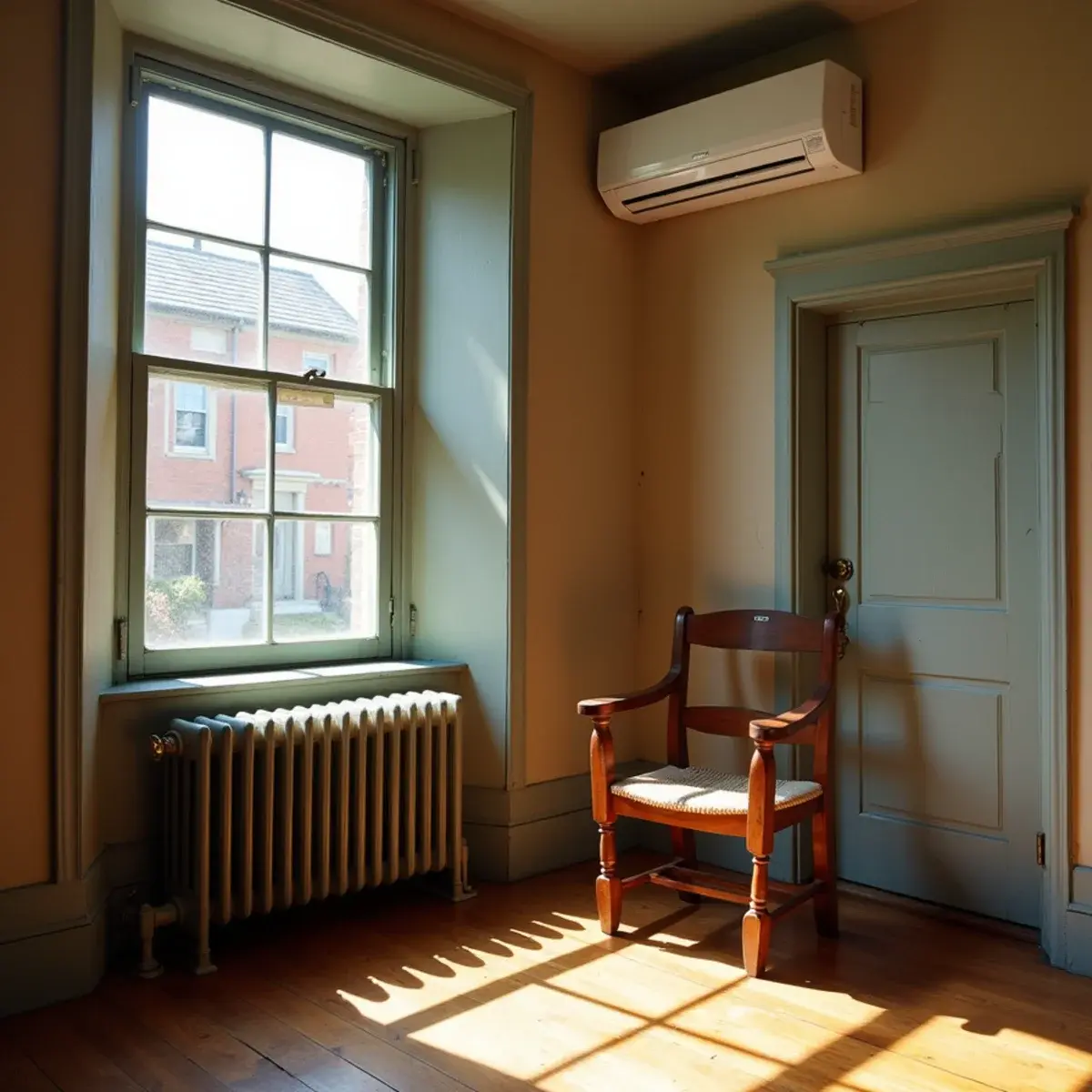
Switching a radiator house to forced air means installing ductwork, which in a plaster-walled 1920s home is disruptive and sometimes impractical. Ductless mini-split heat pumps are the usual workaround: they add heating and cooling room by room, and many owners keep the boiler as backup. Our article on air conditioning for a house with radiators walks through those layouts.
| Option | Best fit | What has to change | Things to check |
|---|---|---|---|
| Gas boiler | Radiator or baseboard homes on a street with a UGI main | New boiler, gas service line and meter, chimney liner or sidewall vent | Main location, chimney condition, boiler sizing |
| Gas furnace | Oil furnace homes that already have ducts | New furnace, service line and meter, venting | Duct condition, adding central air at the same time |
| Cold-climate heat pump | Ducted homes without gas, including farm properties | Heat pump, air handler, electrical capacity | Electrical panel size, a load calculation, backup heat |
| Dual fuel | Ducted homes with gas or propane available | Heat pump plus a gas or propane furnace and matched controls | Switchover temperature, propane tank placement |
| Ductless heat pump | Radiator homes without ducts or gas | Indoor heads, outdoor unit, line sets | Room layout, whether to keep the boiler |
What happens to the oil tank
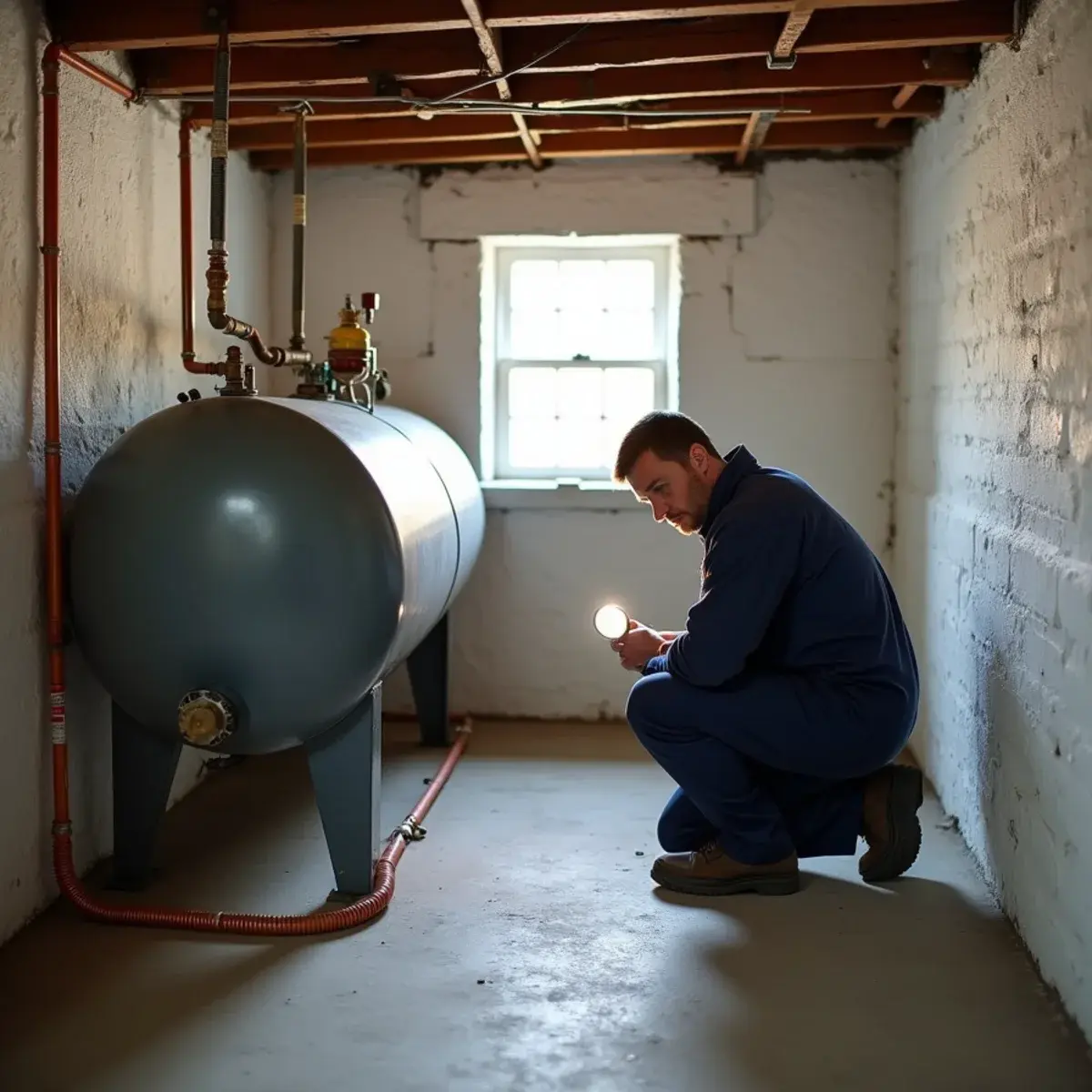
Once the burner is gone, the tank needs a plan. A basement tank is usually pumped out, cleaned, cut up and hauled away. An underground tank on a farm property is either excavated or cleaned and filled in place with an inert material, and either way you want written closure paperwork for a future sale.
Residential heating oil tanks of 1,100 gallons or less fall outside most of Pennsylvania DEP's storage tank program, so the rules are lighter than for commercial tanks. Lighter is not none. A leak is still the owner's responsibility to clean up, some municipalities add their own requirements, and buyers, lenders and insurers may ask for proof of proper closure. Check current DEP guidance and your township before the work starts.
What drives the cost of a conversion
Each house prices differently, so expect a written quote after a site visit rather than a number over the phone. The main drivers are the length of the gas service line, chimney lining or new venting, equipment type and size, whether ducts or an electrical upgrade are needed, and tank removal or closure. PPL and UGI rebate programs change every year; check their current pages and our notes on PPL and UGI rebates before signing. Our furnace, boiler and heat pump installation page covers sizing and installation day.
From the service calls
Settle the venting before you pick the equipment
On conversion jobs, the vent is where plans most often change late. Decide it first, because it shapes the equipment, the price and the safety of everything else on the chimney.
- Condensing equipment vents through the wall. A high-efficiency gas boiler or furnace uses PVC pipes out the side of the house, so the old chimney is not needed. The vent outlet needs clearance from windows, doors, walkways and the snow line, which can be tight on a narrow lot.
- Non-condensing equipment uses the chimney, with a liner. Gas exhaust is wetter than oil exhaust and attacks an old clay flue, so it goes up a properly sized stainless steel liner, not aluminum.
- Watch for the orphaned water heater. If the oil boiler leaves and a gas water heater stays on a chimney sized for both, the water heater alone may not draft properly and can spill exhaust into the basement. The conversion plan should cover the water heater's venting too.
Ask any contractor quoting a conversion how each appliance will vent, and get it in writing. The AC and furnace installation page covers what else a written quote should show.
Getting a conversion assessment
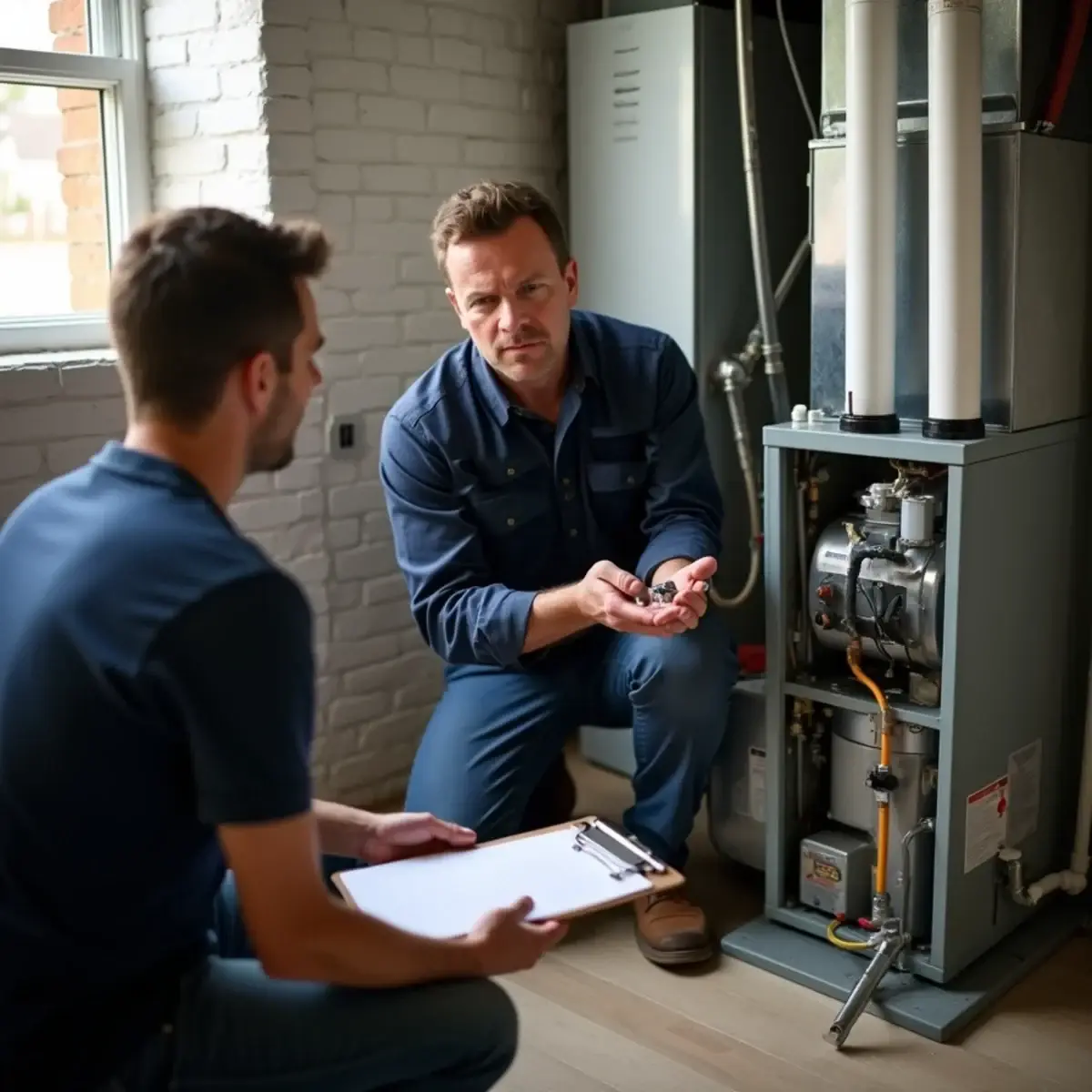
A sensible order is: confirm gas availability with UGI, have the existing system and chimney looked at, then compare a gas option against a heat pump option for the same house. We send a local HVAC technician to homes across the area, from the oil-heated farms covered on our Manheim service area page to the boiler rowhomes on our Columbia service area page. Call (321) 478-0693 to set it up. Calls are answered 24/7, and the price is given before any work starts.
Quick answers
Can I keep my radiators if I switch from oil to gas?
Yes. A gas boiler connects to the existing radiators or baseboard and the same piping, so the rooms heat the way they always have. The technician will check the piping, expansion tank and controls while sizing the new boiler, and may recommend flushing old sediment from the system during the changeover.
Does a heat pump work in a Lancaster County farmhouse?
It can, with the right equipment and a realistic plan for the coldest nights. Cold-climate heat pumps keep much of their output below 20°F, but older farmhouses often leak heat through stone walls and old windows. A room-by-room load calculation, air sealing and a backup heat source make the difference between comfort and high bills.
Do I have to remove my old oil tank?
Not always removed, but it should not simply be left with oil in it. A basement tank is usually pumped, cleaned and hauled away. An underground tank may be removed or cleaned and filled in place. Either way, keep the written closure paperwork, since buyers, lenders and insurers often ask for it.
Services mentioned in this guide
AC and Furnace Installation
Replace a worn-out furnace, air conditioner or heat pump with a system sized by a Manual J load calculation, not the old nameplate. Gas furnace with central air, heat pumps, dual fuel and oil-to-gas conversions for Mount Joy homes, with AHRI-matched equipment, permits handled and the price given before work starts.
AC & Furnace Installation in Mount JoyBoiler Repair and Oil Heat Service
Hot water and steam boiler repair for Mount Joy's older homes: cold radiators, leaks, banging pipes, failed circulators and stuck zone valves. Annual oil burner service with a new nozzle, filter and combustion test, plus straight advice on when a tired boiler should be repaired, replaced or converted. Calls answered 24/7.
Boiler Repair in Mount JoyHeat Pump Repair and Replacement
Iced-over outdoor unit, cool air at the vents or a thermostat stuck on aux heat? We send a local technician to diagnose defrost boards, reversing valves, capacitors and refrigerant leaks, then price the fix before work starts. For Florin Hill-era units near 20 years old, we lay out cold-climate and dual fuel replacement options.
Heat Pump Repair in Mount Joy